
Cultural Beliefs That Shaped Stories About Black Magic
Gusti Ayu Tita P
10 September 2026
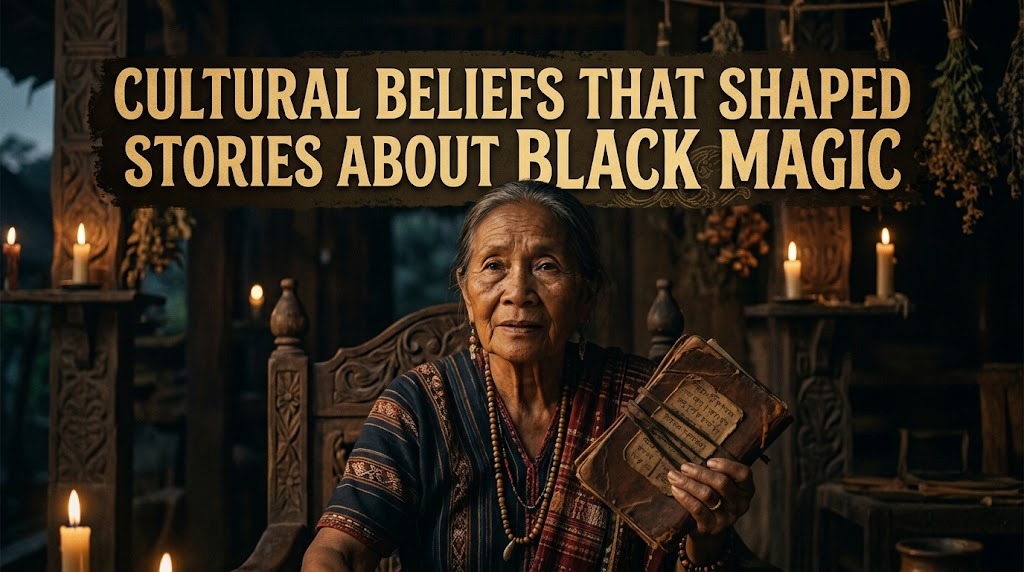
Black magic has appeared in stories, traditions, and popular beliefs across many societies for centuries. Although the meaning of black magic can differ from one culture to another, it is often associated with supernatural powers, mysterious rituals, curses, or attempts to influence events through unseen forces. These ideas were shaped by the way communities understood nature, illness, luck, death, and events they could not easily explain. As generations passed, such beliefs became part of folklore and cultural traditions.
Understanding the cultural background of black magic is important because these stories are not simply about supernatural practices. They can also reveal how people in different societies understood fear, morality, spirituality, and social relationships. Rather than treating every story as historical fact, it is useful to examine black magic as a cultural idea that has changed over time.
ANCIENT BELIEFS AND SUPERNATURAL FORCES
In many ancient societies, people believed that the natural and supernatural worlds were closely connected. Unusual events such as sudden illness, failed harvests, storms, or unexpected deaths could be interpreted through religious or magical beliefs. Some communities developed rituals intended to protect individuals from harmful supernatural forces. At the same time, people sometimes accused others of using harmful magic when misfortune occurred without an obvious explanation. These beliefs helped shape early stories about magic and supernatural forces.
However, ancient magical practices were not always considered evil. Some rituals were intended for healing, protection, fertility, or good fortune. The idea of magic as specifically harmful became more clearly separated from beneficial practices in particular historical and religious contexts. This distinction later influenced stories about witches, curses, and forbidden knowledge.
RELIGION AND MORAL BELIEFS
Religious beliefs played an important role in shaping ideas about magic. In several societies, religious authorities distinguished between accepted spiritual practices and activities considered forbidden or dangerous. Practices believed to involve harmful supernatural powers could therefore become associated with evil, deception, or moral wrongdoing. Stories about black magic often reflected these concerns by presenting magical power as something that could be misused.
These ideas also helped establish a moral contrast between good and harmful supernatural forces. A person who was believed to use magic against others might be portrayed as a threat to the community. Over time, religious teachings, local traditions, and storytelling influenced one another, creating different interpretations of black magic beliefs across regions.
FOLKLORE AND COMMUNITY STORIES
Folklore helped preserve stories about supernatural practices through generations. Before modern communication technologies, stories were commonly passed through oral traditions, family conversations, ceremonies, and community gatherings. Details could change as people retold them, meaning the same basic story might develop different versions in different places. Characters associated with curses, mysterious powers, or forbidden rituals became recurring figures in local legends.
These stories often served purposes beyond entertainment. They could teach people about acceptable behavior, warn children about dangers, or explain events that seemed mysterious. In this way, black magic folklore became connected with cultural values and community identity rather than existing only as stories about supernatural powers.
FEAR OF THE UNKNOWN
Fear has strongly influenced stories about black magic throughout history. When people faced unexplained events, uncertainty could encourage supernatural explanations. A mysterious illness, strange behavior, or unexpected disaster might become connected to rumors about curses or magical interference. Such stories could become more powerful when communities already had strong beliefs about supernatural causes.
The fear of the unknown also explains why magical stories frequently involve secrecy and hidden knowledge. A mysterious figure with unusual abilities may be portrayed as dangerous because other people do not understand their actions. This pattern appears in many forms of supernatural folklore, although the specific characters and traditions vary from one culture to another.
LOCAL TRADITIONS AND CULTURAL DIFFERENCES
Stories about black magic cannot be understood properly without considering local culture. Different communities have their own religious traditions, concepts of spirits, ideas about morality, and explanations for unusual events. As a result, a practice considered magical or dangerous in one society may have a different meaning in another. Historical experiences and local customs also influence how supernatural stories are created and remembered.
For this reason, there is no single universal definition of black magic. Some stories focus on curses, while others emphasize spirits, divination, rituals, or forbidden knowledge. Studying these differences allows people to see that cultural beliefs strongly influence the way supernatural ideas are interpreted.
BLACK MAGIC IN MODERN CULTURE
Stories about black magic continue to appear in books, films, television programs, games, and online content. Modern entertainment often combines traditional folklore with fictional elements to create dramatic stories. Popular culture may portray black magic as mysterious, frightening, powerful, or even fascinating. Although these portrayals are usually fictionalized, they often borrow symbols and ideas from older cultural traditions.
Today, discussions about black magic can therefore involve both historical folklore and modern fiction. Understanding the difference between cultural tradition and entertainment is important when examining these stories. By looking at their historical and social backgrounds, people can appreciate why black magic remains a recurring theme without automatically treating every supernatural story as factual.
CONCLUSION
The stories surrounding black magic have been shaped by religion, folklore, fear, local traditions, and attempts to understand the unknown. Different cultures developed their own interpretations of supernatural powers, which resulted in diverse legends and beliefs. Many stories were passed from generation to generation and changed according to the values and experiences of each community. Modern books, films, and other forms of popular culture continue to reinterpret these ideas.
Studying black magic as a cultural and historical subject provides a better understanding of how societies create stories about mysterious forces. It also shows why supernatural traditions can remain influential even when their meanings change over time.
Tentang Penulis
Gusti Ayu Tita P
Penulis — Universitas STEKOM
Penulis aktif yang berfokus pada isu-isu akademik, teknologi pendidikan, dan pengembangan sumber daya manusia di lingkungan kampus.