Strategies to Advance Your Career Path in a Competitive Workplace
Gusti Ayu Tita P
18 September 2026

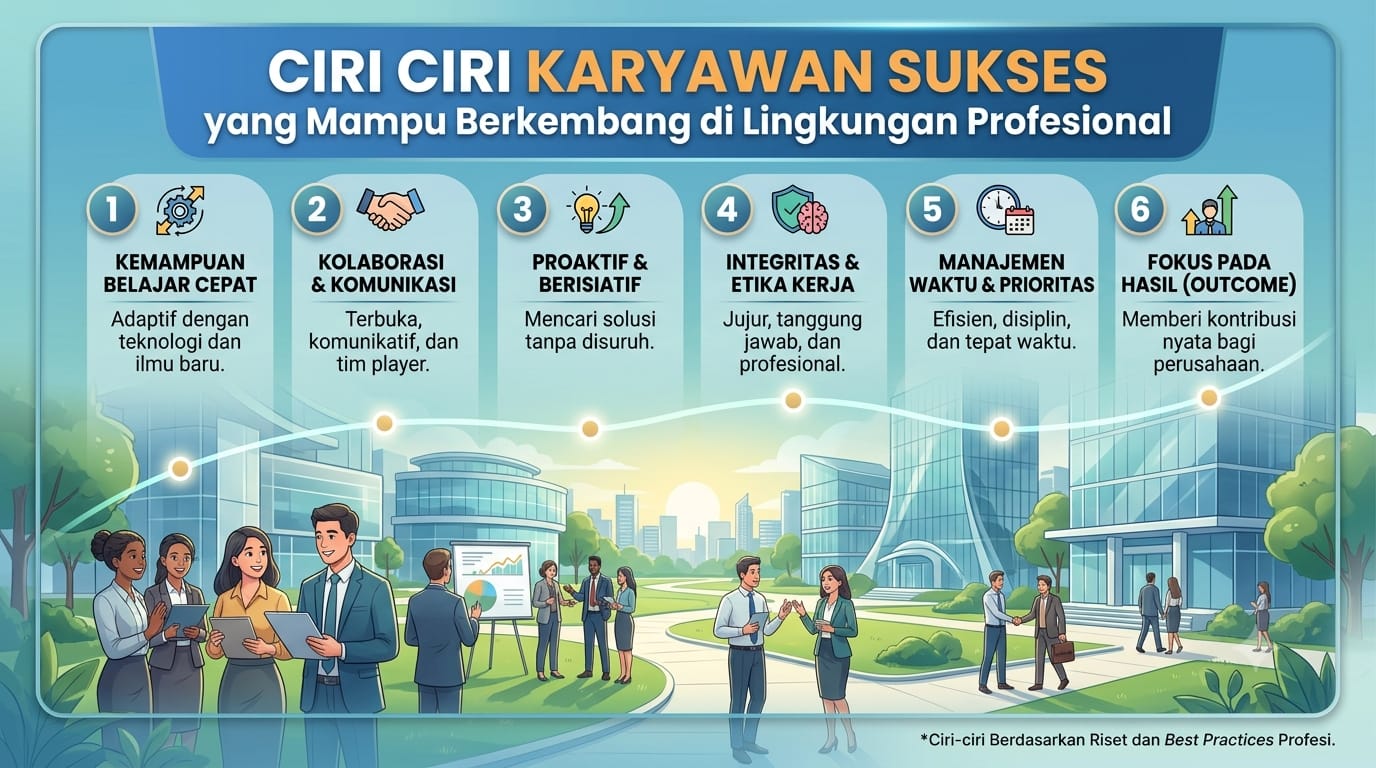
In today's fast-changing professional environment, building a successful career requires more than simply performing daily tasks. Employees must continuously improve their abilities, adapt to industry changes, and demonstrate their value to employers. A competitive workplace often presents both challenges and opportunities for career growth.
Understanding the right strategies can help professionals achieve their goals faster and stand out among their peers. By focusing on personal development, networking, and performance improvement, individuals can create a stronger and more rewarding career path.
SET CLEAR CAREER GOALS
One of the most effective ways to advance your career is by establishing clear career goals. Having specific objectives helps you stay focused and motivated while providing a roadmap for professional growth. Short-term goals can help you build skills, while long-term goals guide your overall career direction.
Regularly reviewing and adjusting your goals is equally important. Workplace demands and industry trends may change over time, requiring professionals to adapt their plans. A clear vision allows you to make better decisions and identify opportunities that support your future success.
CONTINUOUSLY DEVELOP YOUR SKILLS
In a competitive workplace, employees who invest in skill development often have greater opportunities for advancement. Learning new technical and soft skills helps you remain relevant and capable of handling evolving responsibilities. Employers highly value workers who demonstrate a commitment to continuous improvement.
Professional certifications, online courses, workshops, and training programs can enhance your expertise. Additionally, improving communication, leadership, and problem-solving abilities can make you a more versatile and valuable team member.
BUILD A STRONG PROFESSIONAL NETWORK
Creating and maintaining a professional network can significantly impact career growth. Strong relationships with colleagues, managers, mentors, and industry professionals often lead to new opportunities and valuable insights. Networking allows you to learn from others and stay informed about industry developments.
Participating in professional events, online communities, and industry forums can expand your connections. A strong network not only supports career advancement but also provides guidance and encouragement during professional challenges.
DEMONSTRATE EXCELLENT PERFORMANCE
Consistently delivering high-quality work is one of the most important factors in career advancement. Employers notice employees who meet deadlines, exceed expectations, and contribute positively to organizational goals. Strong performance builds trust and increases the likelihood of promotions.
Taking initiative and solving problems proactively can further distinguish you from other employees. When managers recognize your dedication and reliability, they are more likely to consider you for leadership roles and additional responsibilities.
IMPROVE YOUR LEADERSHIP ABILITIES
Leadership skills are valuable even for individuals who are not currently in management positions. Demonstrating leadership qualities such as accountability, decision-making, and teamwork shows that you are capable of handling greater responsibilities.
Volunteering for projects, mentoring colleagues, and contributing ideas during meetings can strengthen your leadership presence. These actions help build confidence and prepare you for future career opportunities within the organization.
ADAPT TO CHANGE AND INNOVATION
Modern workplaces are constantly evolving due to technological advancements and changing market conditions. Professionals who embrace adaptability are better equipped to succeed in dynamic environments. Being open to change demonstrates resilience and a willingness to learn.
Employees who quickly adjust to new tools, processes, and business strategies often become valuable assets to their organizations. Adaptability can also help you remain competitive in an increasingly digital workplace.
SEEK FEEDBACK AND LEARN FROM EXPERIENCE
Constructive feedback plays an essential role in professional growth. Seeking performance feedback from supervisors and colleagues helps you identify strengths and areas that need improvement. Honest feedback provides valuable insights that support continuous development.
Learning from both successes and mistakes can accelerate career progress. Professionals who actively reflect on their experiences are often better prepared to handle future challenges and opportunities.
MAINTAIN A POSITIVE PROFESSIONAL REPUTATION
A strong professional reputation can open doors to new career opportunities. Being reliable, respectful, and ethical helps build trust among coworkers and management. Positive workplace behavior contributes to a healthy and productive work environment.
Maintaining professionalism in both in-person and digital interactions is equally important. Your reputation can influence how others perceive your capabilities and potential for advancement.
CONCLUSION
Advancing your career path in a competitive workplace requires dedication, continuous learning, and strategic planning. Professionals who set clear goals, develop their skills, build strong networks, and consistently perform well are more likely to achieve long-term success.
By embracing adaptability, improving leadership abilities, and maintaining a positive reputation, individuals can position themselves for greater opportunities and sustainable career growth in today's competitive professional landscape.
Tentang Penulis
Gusti Ayu Tita P
Penulis — Universitas STEKOM
Penulis aktif yang berfokus pada isu-isu akademik, teknologi pendidikan, dan pengembangan sumber daya manusia di lingkungan kampus.